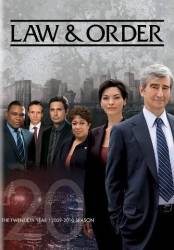
Law & Order

Law & Order (1990)

2 mistakes in show generally - chronological order

(15 votes)

Show generally

Factual error: Detective Nina Cassady (who was introduced towards the end of Season 17) frequently wears casual tops that show far too much cleavage for a police officer on duty. If she showed up for duty dressed like that she would be sent home to change.

Show generally

Factual error: When the cops need to arrest a medical professional, they are frequently shown barging into his/her office, exam room, or even operating room. This would never happen in real life and is strictly forbidden, as it is a gross violation of the patient's privacy, and in the case of the OR, could contaminate the sterile environment, thereby jeopardizing patient safety as well.

Det. Lennie Briscoe: Even though you are a taxpayer, you know, we don't actually work for you personally.

More quotes from Law & Order

Trivia: Before his transfer to the NYPD, Joe Fontana (played by Dennis Farina) worked as a detective in Chicago. Before becoming an actor, Farina served in the Chicago police department, both as a police officer and a detective. Farina also played a Chicago police officer on the short-lived 1980s TV series Crime Story.

Cubs Fan

More trivia for Law & Order

Answer: A courtroom trial that has been terminated prior to its normal conclusion. A mistrial has no legal effect and is considered an invalid or nugatory trial. This often happens when there is a lack of Jurisdiction, an incorrect jury selection or, as seen in many of the episodes, a hung jury, i.e. some jury members finding the defendant guilty while the other members of the jury will find the defendant not guilty and all jury members won't change their decision.

Answer: I was once a juror on a trial where the defendant started crying and talking about how his son would suffer if he went to jail. The judge became furious, decided that he had prejudiced the state's case (we were now thinking of his family, rather than if he were actually guilty), and declared a mistrial.

Brian Katcher

Answer: In short, any time a trial ends and is declared void before the jury delivers a verdict or a judge issues a decision. Generally a mistrial is caused by a jury not being able to come to unanimous decision or the prosecution does something that would make the trial unfair to the defendant.

Bishop73

More questions & answers from Law & Order