Mr. Turner: Man, I'm sorry, Eli. I still think you would've made a great teacher though, man.
Mr. Williams: Why? I mean, I have nothing to say to kids. I don't even understand kids.
Mr. Turner: But you know how to communicate, man, and you know how to do it honestly.
Mr. Williams: And that's what got me fired from producing the 6 o'clock news. I'm trying to show people what's really going on with slumlords in Philadelphia, and the station manager is saying "Well, let's see more of that woman that walks to work naked."
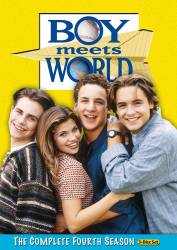
Boy Meets World (1993)
3 quotes from What I Meant To Say
Starring: William Daniels, Rider Strong, Ben Savage, Betsy Randle


A Long Walk To Pittsburgh (2) - S4-E17
Character mistake: In this episode Cory says that Topanga gave him his first kiss at age 13, but their first kiss actually happened when they were 11, in the 6th grade. (Season 1 - Episode 7 Cory's Alternative Friends).
Trivia: In this episode, Julius Carry plays Professor Michaels. In later episodes, Julius Carry plays Sergeant Moore, Angela's father.
Question: When Mr. Feeny is talking to Cory in the cafeteria about his score on the IQ test, Feeny is shown purchasing a coffee from the vending machine. Are there actual elementary schools in the United States with coffee vending machines where prepubescent students have the ability to purchase a beverage more suited for younger adults and older? This isn't the faculty cafeteria mind you, because it's the same cafeteria the students are shown occupying throughout the first season. Seems a little irresponsible on the school's part to give students access to coffee.
Chosen answer: In the present day, with the United States abiding by more stricter school health laws, for the most part this wouldn't be in school cafeterias as many cannot even have carbonated beverage machines now. However, in the 90s when the show takes place, it wasn't unheard of for there to be coffee machines in the cafeteria of small schools where the teachers eat with the students as we see them do often in the show. The idea being that the cafeteria was small enough so a teacher or hall monitor could catch a student before they could drink the coffee.