Continuity mistake: In the opening scene, Mort closes the door of his jeep before he goes into the hotel room. You can hear the sound of the door closing and it's visible in the rearview-mirror. As the camera moves out of the room, the jeep door is completely open. (00:02:05)
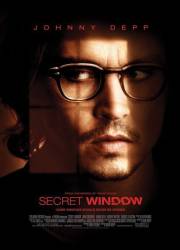
Secret Window (2004)
1 review
Directed by: David Koepp
Starring: Johnny Depp, John Turturro, Maria Bello, Timothy Hutton
Your rating
Average rating
(14 votes)
Secret Window is a horror/thriller about a writer's descent into madness and murder while spending time in a old house by a lake with a cornfield. Johnny Depp stars as the delusional author, while the rest pretty much play his victims. While a modest story by Stephen King, Secret Window still grabs you and draws you in.


Upvote valid corrections to help move entries into the corrections section.
Suggested correction: The door just didn't actually catch. I've had cars like that, especially during the winter.
Given that we see it stay closed for almost 4 seconds and hear it catch, it's a valid mistake.
If you've ever lived where it snows a lot, you'd know that door catches accumulate moisture (ice) and can open slowly, as it did in this case.
John Shooter: You strike me as the kind of guy who's on the lookout for a head he can knock off with a shovel.
Trivia: Chicko, the dog, was 11 years old and blind. The dog was constantly bumping into furniture so it was very hard for the film crew. They only got one take of Chicko walking through the doggie door with out bumping into the wall or a piece of furniture and that is the take that was in the movie.
Question: At the end of the credits, we hear Johnny Depp sing "mama's little baby loves shortnin' bread." Is there any reason for this, or a tie-in to the movie I missed?
Chosen answer: An additional reference to the full dominant personality takeover of Shooter, everything gravitates South Mississippi.