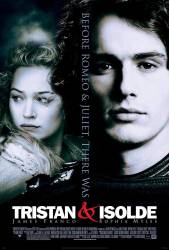
Tristan & Isolde

Your rating

Average rating

(2 votes)

Add your review

In order to be credited for your review and save all your ratings, please create a free account and log in. Premium membership is also available for just $12 a year, which removes all adverts, prioritises your submissions, and more.

Factual error: The poem Isolde recites, John Donne's "The Good-Morrow", is a 17th-century work, which is centuries later than the movie's time period.

More mistakes in Tristan & Isolde

Tristan: I don't know if life is greater than death, but love was greater than either.

More quotes from Tristan & Isolde

Question: This is a strange question, but is it possible that Isolde could sleep with both the King and Tristan so many times and not get pregnant? Was there any kind of birth control at this time?

Answer: Without going into detail, two possible birth control options would be the withdrawal method or earlier versions of condoms. It's unlikely that Marke and Isolde were using these methods, because Marke, as a king, would probably want children to be his heirs. But Isolde might have at least been taking precautions with Tristan, especially during the time that she was betrothed to Morholt. There would be trouble if she became pregnant while her betrothed was away. Also, as Tailkinker wrote, maybe she simply did not conceive.

Answer: Yes, it's entirely possible. Even in this day and age, with our relatively detailed knowledge of the processes and timing involved, couples trying for children can sometimes try for months or even years before a successful conception.

Tailkinker

Answer: Three answers. ONE: Manuscript medical texts survive from Anglo-Saxon England. These describe folk wisdom and empirical medical tradition handed down from generation to generation. Herbs and herbal products were used as cures and prophylactics. These say little about contraception (they were written by monks or nuns who lived celibate lives) but it could be inferred that women used herbs and herbal products for women's issues (including contraception), knowledge refined over generations and handed down orally that has been lost or forgotten. TWO In the middle ages diet, nutrition and health conditions were such that, in general, people were not as healthy as they are today, so women may have been less "fertile" and less likely to become pregnant after sex. THREE: The legend of Tristan and Isolde is not accurate history. It began to circulate in the twelfth century, but even then it was a story, told to entertain, and this cinema version is a fictional, fantasy re-imagining of medieval life (similar to Game Of Thrones or Lord of the Rings) so such logical details do not necessarily apply.

Rob Halliday

More questions & answers from Tristan & Isolde